Winter roads in Maury County aren’t always kind to tires. Between the potholes that open up after hard freezes, the wet roads that expose low tread depth, and the temperature swings that drain tire pressure, spring is the time to give your tires an honest assessment.
Here’s what to look for:
Tire pressure. Pressure drops roughly 1 PSI for every 10-degree temperature decrease. If your tires lost 3–4 PSI over the winter — which is completely normal — and you never topped them off, you’ve been driving on underinflated tires for months. Underinflation causes faster wear, worse fuel economy, and reduced handling. Check all four tires against the recommended PSI on the sticker inside your driver’s door.
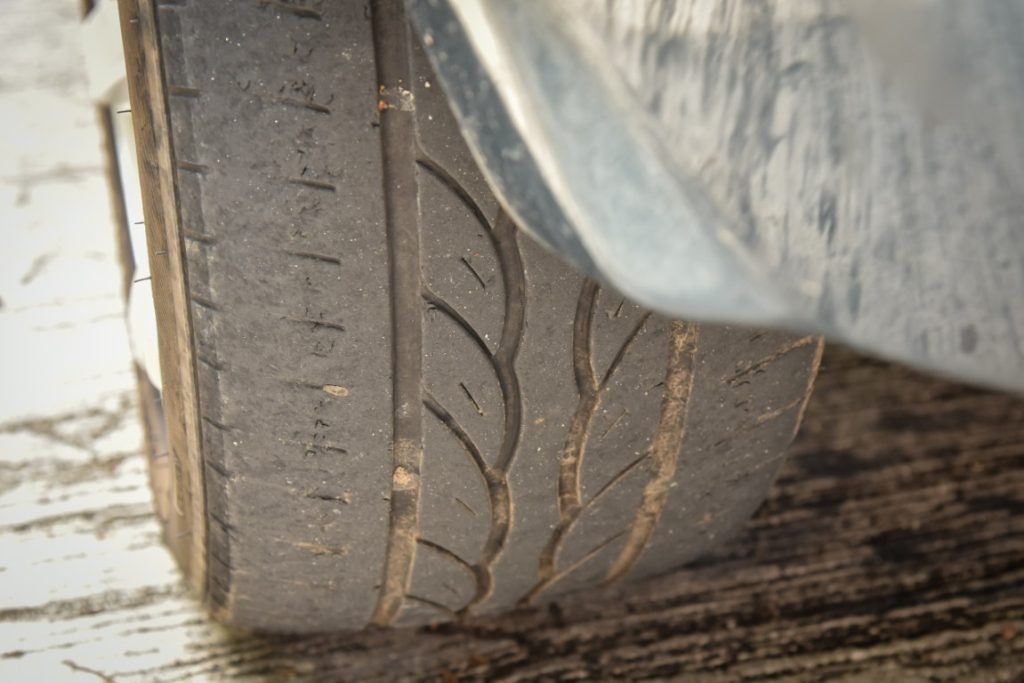
Tread depth. Do the quarter test: insert a quarter into the tread groove with Washington’s head pointing down. If you can see the top of his head, you have less than 4/32″ of tread remaining. For wet spring roads, that’s not enough. Worn tread can’t channel water out of the contact patch, which dramatically increases stopping distance and hydroplaning risk.
Sidewall condition. Look for any cracking, bubbling, or bulging. A sidewall bulge means the internal structure has been compromised — likely from a hard pothole hit — and the tire needs to be replaced before it fails at speed.
Uneven wear. If your tires are wearing more on one edge than the other, your alignment is off. Catching this in spring means you’re not destroying a new set of tires before you know there’s a problem.
Come by Exhaust Plus Auto Center in Columbia for a tire inspection this spring. We’ll check everything and give you a clear picture.
Share this post: